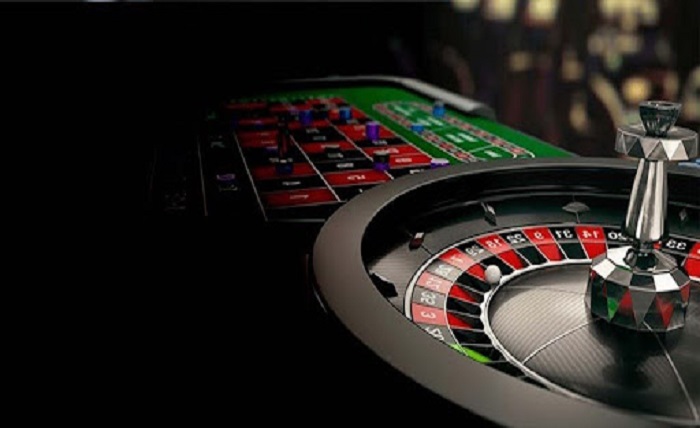
Modern players don’t really “go online” anymore. They’re already online. The question is what deserves attention in a world of notifications, short breaks, and entertainment that’s supposed to start instantly. Real-time casino games, especially live dealer tables, fit that reality because they feel like something is actually happening, right now, on the other side of the screen.
To get a sense of how these lobbies are put together, it helps to look at a live section in action here. The difference is obvious within seconds: real dealers, real equipment, and a pace that feels human instead of purely algorithmic.
What “real-time” means in online casino terms
Real-time casino games are the ones where outcomes unfold live. Not “live” as a marketing word, but live as in: a dealer is dealing, a wheel is spinning, a result is captured on camera, and players are betting within a timed window.
That structure changes the whole experience. It’s less like tapping through a phone game and more like joining a session that already has momentum.
Real-time vs RNG: the practical difference
RNG games (slots, digital table games, instant titles) can be fair and often are. But they’re still software-led. Real-time games are process-led. Players watch the steps, not just the outcome. For many, that visibility feels more trustworthy, even if the maths behind the house edge is still the house edge.
Why real-time games fit “modern” play habits
People love to talk about attention spans like they’re a moral failing. In reality, most schedules are fragmented. Real-time casino games work because they’re structured enough to feel meaningful, yet flexible enough to drop in and out of.
They feel social without demanding social energy
Live tables have chat, dealers, and a sense of shared timing. But nobody has to perform. No one needs to talk. Watching quietly is normal. Jumping tables is normal. Leaving after two rounds is normal.
That’s a big deal. Physical casinos can be fun, but they’re also loud, crowded, and full of tiny pressures. Online live games keep the energy and remove the friction.
They create anticipation, not just speed
A roulette spin has a beginning, middle, and end. A blackjack hand has beats. Bets open, bets close, cards come out, decisions matter, results land. That rhythm is basically the entertainment.
Digital games can be fast, but fast isn’t the same as suspense. Real-time games are built on suspense.
The main types of real-time casino games (and who they suit)
Live casino isn’t one thing. It’s a shelf of formats with different moods. Picking the right one saves time and reduces the classic mistake of playing the wrong game for the moment.
Live roulette: simple, watchable, hard to overthink
Roulette is the easiest live game to follow on a small screen. Place bets, wait for the spin, watch the ball, see the number. That’s the loop. It’s also a good “watch first, bet later” table because the rules are visible and the pace is steady.
Live blackjack: more control, more responsibility
Blackjack attracts players who want decisions, not just outcomes. Hit, stand, double, split. The game feels more involved, which is great until distractions start. On mobile, especially, decision timers can turn a casual session into rushed tapping.
Baccarat: calm, quick, and surprisingly popular
Baccarat’s appeal is that it looks serious but plays simply. The flow is smooth, the decisions are limited, and the table pace is often quicker than blackjack. For modern players who want real-time energy without constant decision-making, baccarat is a solid pick.
What makes a live casino feel “authentic” on a screen
Authenticity isn’t about gold-trimmed graphics. It’s about whether the table feels credible and easy to follow.
A high-quality real-time setup usually includes:
- Clear camera angles that show outcomes without guessing
- Readable on-screen layouts (especially for roulette and side bets)
- Stable audio (bad audio kills immersion fast)
- Consistent timing for betting windows
- A dealer who runs the table smoothly without rushing
If any of those are off, the game starts to feel like a stream with a payment button. Players notice. They leave.
The tech that keeps real-time games from falling apart
Most players don’t care about encoding formats or server architecture, and they shouldn’t have to. Still, a few tech realities explain why one live casino feels smooth while another feels annoying.
Latency and the “Bets Closed” moment
Live streams have delay. That delay is normal. What matters is how the platform handles it. Betting must close fairly for everyone, regardless of connection speed. A good live table makes this obvious with clean timers and clear “bet accepted” messages.
Adaptive streaming on mobile
Mobile connections fluctuate. Platforms that allow video quality adjustments tend to provide a better experience because the stream can stay stable rather than constantly buffering. Smooth beats ultra-HD every time, especially when money is on the line.
Result tracking and game history
Live games usually include round history panels. That’s not a gimmick. It helps players verify outcomes, track patterns (even if patterns don’t predict future results), and settle disputes if something looks wrong.
A quick checklist before joining a live table
Real-time games are easy to enter and that’s the danger. Two quick checks up front prevent most frustrating sessions.
- Check minimum and maximum limits before sitting down
- Ensure the connection is stable (Wi‑Fi or strong 4G/5G)
- Watch one round to learn the table rhythm and interface
- Keep the screen clear of distractions if playing decision-heavy games like blackjack
- Confirm betting controls feel comfortable before raising stakes
Small stuff, but it changes the whole session.
Bankroll and time control: real-time play can quietly run long
Real-time casino games don’t usually burn money fast in a single burst. They do it in a slow, steady way because the session feels engaging. One more round becomes ten more rounds, and suddenly an hour is gone.
A simple approach that actually works:
Set two limits, not one
- A time limit (because live tables are sticky)
- A spend limit (because “just a few small bets” adds up)
This is not about being boring. It’s about keeping entertainment from turning into regret. Real-time games are better when they stay intentional.
Etiquette and comfort: the online table has its own rules
Live dealers are real people doing a job. Other players are watching. Chat is optional, but if it’s used, it should be used like a public space.
A few basics:
- Don’t spam the dealer with complaints about luck
- Keep chat clean and short, dealers are running a timed game
- If the vibe is bad, switch tables instead of arguing
- Avoid “systems” talk like it’s a sure thing, it never ends well
The best live tables feel relaxed. Players help create that.
Why real-time casino games are the direction the industry keeps following
Live casino has moved from “nice extra” to centre stage for many platforms because it solves a modern problem: people want convenience, but they also want something that feels genuine. Real-time play delivers both when it’s done right.
It also raises expectations across the board. Once players get used to clean streams, clear results, and human pacing, clunky interfaces and mystery outcomes feel outdated.
The takeaway
Real-time casino games work for modern players because they add human rhythm to online convenience. They’re watchable, flexible, and more transparent than many purely digital formats. The best experience comes from choosing the right game for the moment, checking limits before betting, and keeping sessions bounded by time and budget.
That’s the real win with real-time play: it can feel authentic without demanding a full casino night.