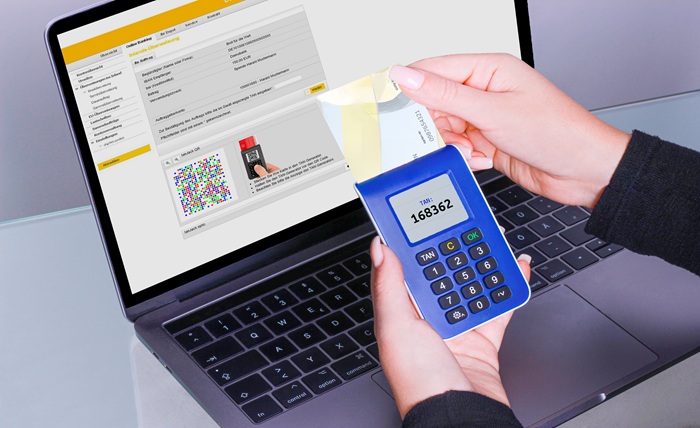
Finding the correct DMFirst Login Page is an important first step for users who already have an account and want to sign in online. Before entering any username, password, or verification code, it is useful to understand how a genuine sign-in page should be approached and what information users may need.
This guide provides practical information about the DMFirst sign-in page, including how to recognize the login section, what details may be requested, how to handle security checks, and what to consider when a page looks unfamiliar.
What Is the DMFirst Login Page?
The DMFirst Login Page is the online sign-in area intended for existing account holders.
It is different from a registration page. Registration is generally used when creating an account, while the login page is used to access an account that has already been created.
The layout and available options may change over time, so users should always follow the current interface displayed through a trusted access source.
Why the Correct Login Page Matters
A login page handles sensitive account information.
Entering credentials on an incorrect or suspicious website can put account information at risk. For this reason, users should not choose a login page simply because its design looks familiar.
Before signing in, pay attention to the website address, page behavior, and the source through which you reached the page.
Information Usually Found on a Sign-In Page
A typical online login interface can contain several elements.
These may include:
- Username or account identifier field
- Password field
- Login or Sign In button
- Password recovery option
- Verification or security prompt
- Registration link for new users
- Help or support information
Not every version of the page will contain all of these options.
Identifying the Sign-In Section
When opening the website, look for wording such as Login, Sign In, or another clearly marked account-access option.
Don’t automatically select the first button you see.
Some pages may contain promotional buttons, registration links, or navigation menus alongside the login option.
The goal is to reach the section specifically intended for existing account holders.
Checking the Website Address
The web address is one of the first things worth checking before entering credentials.
Look for:
- Correct spelling of the domain
- Unexpected extra words
- Strange characters
- Suspicious redirects
- Unfamiliar domain extensions
A page that copies the appearance of another website is not automatically legitimate.
If you are unsure about an access link, don’t enter your password until the destination has been verified through a trusted source.
Understanding the Username Field
The first field on a login page may ask for an account identifier.
Depending on the current system, this could be a username, registered mobile number, email address, or another supported identifier.
Enter the information associated with the account you want to access.
If the platform displays a specific format or example, follow the instructions shown directly on the current login screen.
Understanding the Password Field
The password field is used to authenticate the account holder.
Passwords are normally case-sensitive, so even a small typing difference can result in a failed login.
If the password is not accepted:
- Check the spelling.
- Check Caps Lock.
- Make sure you’re using the current password.
- Use the recovery option if you’ve forgotten it.
Avoid repeatedly guessing passwords.
Verification and Security Checks
Some sign-in sessions may include additional verification.
A platform may request a verification code or another security confirmation before completing access.
When this happens, follow only the instructions presented through the legitimate login process.
Never disclose an OTP, verification code, or password to another person.
Login Page vs Registration Page
These two pages serve different purposes.
| Login | Registration |
| Used by existing users | Used to create an account |
| Requires existing account information | Collects information for a new account |
| Provides account access | Starts the account-creation process |
| Usually asks for login credentials | May request additional registration details |
Knowing the difference can prevent users from accidentally selecting the wrong option.
What to Check Before Clicking Sign In
Before submitting your information, take a few seconds to review the page.
Quick verification checklist
- Website: Is the destination trusted?
- Account: Are you using the correct account identifier?
- Password: Is the password current and entered correctly?
- Security: Is the page behaving normally?
- Device: Are you using a device you trust?
This short check can reduce avoidable login mistakes.
Using the Login Page on Mobile
The sign-in page may appear differently on smartphones because the layout is optimized for smaller displays.
Some navigation options may be hidden inside a menu, while form fields may appear one below another.
If something isn’t visible, scroll through the page instead of assuming that the login option is unavailable.
A browser update can also help when a modern webpage doesn’t display correctly.
Using the Login Page on a Computer
On a laptop or desktop, the sign-in area may appear alongside additional navigation elements.
Make sure the browser window has loaded the page completely before entering your details.
If the interface appears incomplete, refreshing the page or opening a fresh browser tab can sometimes resolve temporary display issues.
What If the Page Redirects Somewhere Else?
Unexpected redirects deserve attention.
If clicking a login button suddenly takes you to a completely unfamiliar website, stop before entering any credentials.
Do not assume that every redirect is part of the normal login process.
Instead, return to a trusted access source and verify the destination before continuing.
What If the Login Page Looks Different?
A different design doesn’t automatically mean that a page is fake.
Websites can update their interface, change button positions, modify colors, or reorganize account menus.
Focus on the destination and the information being requested rather than relying only on appearance.
If the page asks for unusually sensitive information unrelated to normal account access, treat it cautiously.
Handling a Forgotten Password
Users who cannot remember their password should look for a Forgot Password, Reset Password, or similar recovery option if it is available.
Follow the official recovery instructions rather than searching for random third-party password-reset pages.
Account recovery should always be completed through a trusted route.
Login Page Not Loading
If the login page doesn’t open correctly, consider whether the issue is related to the browser or connection.
Try these basic checks:
- Confirm the internet connection.
- Refresh the page.
- Close unnecessary browser tabs.
- Try another compatible browser.
- Clear temporary browser data if necessary.
- Check whether the issue continues later.
Avoid downloading unknown software simply because a webpage fails to load.
Protecting Information on Shared Devices
Be particularly careful when accessing an account from a public or shared computer.
Avoid saving passwords in the browser.
After completing your session:
- Log out of the account.
- Close the browser window.
- Don’t leave account information visible.
- Avoid using automatic login on shared devices.
These simple precautions can reduce the risk of unauthorized access.
Keeping Your Login Details Safe
Account security doesn’t end when you find the correct login page.
Good habits include:
- Use a strong password.
- Don’t reuse important passwords where possible.
- Keep your credentials private.
- Never share OTPs.
- Avoid suspicious login links.
- Keep your browser updated.
- Review account activity when security features are available.
Important Point About “Official” Access
The word official should not be judged only by a page’s appearance or by search-engine placement.
Users should verify the current domain and access route through a trusted source before entering account credentials.
If you encounter multiple websites claiming to be the official DM First login page, don’t enter your details into all of them. Verify the correct destination first.
A Better Way to Approach Online Sign In
Instead of immediately entering credentials, use a simple three-part approach:
Verify
Check where the login page came from and inspect the destination.
Enter
Provide only the information genuinely required by the current sign-in form.
Protect
Keep your password and verification information private throughout the process.
This approach is useful for DMFirst as well as other online accounts.
Frequently Asked Questions
What is the DMFirst Login Page?
It is the sign-in area used by existing users to access their account through a supported online interface.
How can I identify the login section?
Look for a clearly labeled Login or Sign In option intended for existing account holders.
Is the login page the same as registration?
No. Login is for accessing an existing account, while registration is generally used to create a new account.
What information may be requested?
The page may request an account identifier and password, with additional verification depending on the current security system.
Why should I check the website address?
Checking the destination helps reduce the risk of entering credentials on a misleading or suspicious website.
What should I do if my password is rejected?
First check that it was entered correctly. If you’ve forgotten it, use the available account-recovery option.
Why might the login design look different?
The website interface can change after updates. Button placement, menus, and page design may therefore look different over time.
What if the page redirects me to another website?
If the destination is unfamiliar or unexpected, stop and verify the access route before entering any information.
Can I use the login page on my phone?
If mobile access is supported, the sign-in page can generally be opened through a compatible mobile browser or application.
Should I share my OTP with someone helping me?
No. Verification codes and passwords should remain private.
Conclusion
The DMFirst Login Page is more than a place to enter a username and password. Users should first make sure they are accessing the correct destination, understand which information the page requires, and pay attention to any verification steps.
A reliable sign-in habit is simple: verify the access point, enter the correct account information, protect your credentials, and stop if something about the page appears suspicious.
By following these principles, users can approach online account access with greater confidence while avoiding many common login and security mistakes.