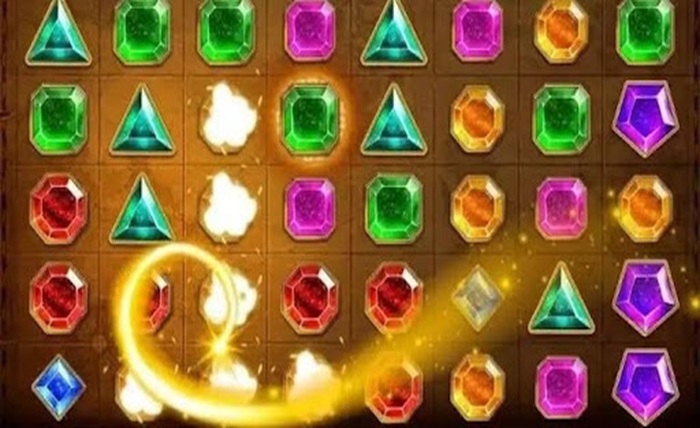
The cluster pays slots vs paylines question comes up the moment you open a game like Sweet Bonanza and realise there are no lines drawn anywhere on the screen. Symbols just land in blobs, the grid explodes, and money appears. If you learned slots on traditional line based games, that can feel like the rules changed without telling you. This guide explains both formats in plain terms and helps you decide which one fits how you play across the slot lobby at NOHU.
How cluster pays works in the cluster pays slots vs paylines debate
At nohu , Understanding the newer format first makes the comparison much easier, since paylines are the system most people already know.
Grid layout in cluster pays slots vs paylines
Winning by groups instead of lines
A cluster win happens when enough matching symbols land touching each other anywhere on the grid. No lines, no left to right rule, no fixed positions.
The symbols need to connect horizontally or vertically, forming a continuous group. Diagonal contact usually does not count, which catches out a lot of new players who see symbols near each other and expect a payout. This single rule is the foundation of everything in cluster pays slots vs paylines, because it removes direction entirely from the equation.
Most cluster games run on grids of 6×5, 7×7, or similar layouts, which gives symbols far more room to connect than a standard 5 reel setup ever could.
How many symbols you need
The typical minimum is 5 matching symbols in a connected group, though some titles set it at 4 and others require 8 or more for the higher paying icons.
Payouts scale sharply with cluster size. A group of 5 might return 2x your stake while a group of 12 returns 50x. That steep curve is intentional and it is why cluster games can produce enormous single spin results. In a payline game, your maximum is capped by how many lines exist. In a cluster game, one lucky drop covering half the grid has no equivalent limit.
Why tumbling almost always comes with clusters
Nearly every cluster game includes a cascade mechanic. Winning symbols vanish, remaining symbols drop down, and new ones fill the gaps from above.
That process repeats as long as new clusters keep forming. One spin can chain into 6 or 7 consecutive wins before the sequence ends. Without this mechanic, cluster games would feel flat, which is why the 2 features are effectively inseparable. Anyone comparing cluster pays slots vs paylines needs to count the cascade as part of the cluster package rather than as a separate bonus.
Comparing cluster pays slots vs paylines directly
With both systems on the table, the practical differences come into focus quickly.
Payout logic in cluster pays slots vs paylines
Here is how the 2 formats stack up in real play:
- Traditional paylines are easier to follow, since the game draws the winning path on screen and you can see exactly what paid.
- Cluster pays creates chain reactions within a single spin, which means one result can produce multiple payouts before the reels settle.
- Cluster titles usually stack growing multipliers across each cascade, compounding wins in a way fixed payline games rarely match.
- Payline games deliver more predictable session pacing, with wins arriving at a steadier rhythm rather than in bursts.
- Cluster games tend toward higher volatility, so long quiet stretches are followed by occasional very large results.
- Bet structure differs too, since payline slots multiply your line bet by the number of active lines while cluster games use a single flat stake per spin.
The honest summary of cluster pays slots vs paylines is that neither format pays better overall. RTP governs the long term return in both cases. What changes is the shape of the experience, and that shape matters more to your enjoyment than any decimal on the paytable.
Best cluster pays slots vs paylines picks to try at NOHU
Once you know how both work, the next step is finding titles that showcase each format properly.
Top games for cluster pays slots vs paylines
Sweet Bonanza as the cluster benchmark
If you want a single game that defines the format, this is it. Sweet Bonanza runs a 6×5 grid where 8 or more matching symbols anywhere on screen trigger a win.
The tumble mechanic drives everything. Wins clear, new symbols drop, and the sequence continues until nothing new forms. During free spins, multiplier bombs land on the grid carrying values up to 100x, and all active multipliers combine at the end of a tumble sequence. RTP sits at 96.51% with volatility on the higher side. Playing this one title teaches you more about cluster pays slots vs paylines than reading a dozen guides.
Jammin’ Jars and the alternative approach
Push Gaming’s Jammin’ Jars uses a similar 8×8 grid but adds a wild jar that moves position with each cascade, multiplying wins as it travels.
The difference in feel is noticeable. Sweet Bonanza builds through multiplier drops while Jammin’ Jars builds through a single escalating wild. Both titles sit in the cluster family, and both are available in the slot section at NOHU, which makes comparing them directly a useful exercise if you are still deciding which format suits you.
Adjusting your betting for cluster format games
Cluster titles need smaller stakes than equivalent payline games because their variance runs higher. Size your bet so your budget covers at least 250 spins rather than the 100 you might get away with on a medium volatility line slot.
Avoid judging a cluster game by its first 30 spins. The format produces long flat stretches punctuated by sudden cascades, and a short sample tells you almost nothing about how it plays. Set your loss limit before you start, keep your stake modest, and let the cascades do their work. Approached that way, the cluster pays slots vs paylines choice becomes about preference rather than risk, since both formats stay manageable when your bet size respects the volatility.
Conclusion
Cluster pays slots vs paylines is a choice between 2 valid designs rather than a right and wrong answer. Paylines give you clarity, steadier pacing, and a structure that is easy to read at a glance. Clusters give you cascading chains, compounding multipliers, and a much wider ceiling on a single spin. Try Sweet Bonanza to understand the cluster format properly, keep your stake smaller than you would on a line slot, and judge either format over hundreds of spins rather than dozens. Explore both across the game library at NO HU and you will quickly know which one you actually prefer