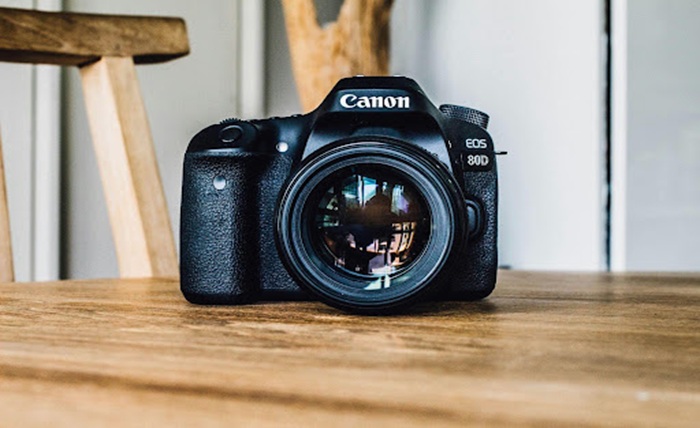
Walk into any camera store in Mumbai or Bengaluru on a Saturday afternoon, and you will hear the same question at the counter. Should the first serious lens be a fixed 50mm prime, or the familiar 18 to 55 zoom that ships with most entry-level bodies? The answer shapes how a beginner learns to see, not only what they end up shooting.
What Actually Separates a Prime From a Zoom
A prime lens has one fixed focal length. A zoom covers a range, sliding from wide to tighter framing with a twist of the barrel. That single mechanical difference cascades into weight, price, low light behaviour and, crucially, the habits a new photographer builds in the first six months.
Most beginners in India start with a bundled zoom because the kit price feels efficient, and after a few weekends of street walks they start eyeing something faster. Discussions on evening streams jump from lens choice to other hobbies like playing the xxxtreme lightning roulette online game during breaks, and then quickly return to the real question at hand—which glass earns its place in the bag.
The Case for a Fast Prime as a First Real Lens
A 35mm f1.8 or 50mm f1.8 on an APS C body costs somewhere between 9,000 and 15,000 rupees new, and often half that used. The wide aperture pulls in roughly four times more light than a kit zoom at the same focal length, which matters in Diwali interiors, wedding halls, and late evening chai stalls where flash would kill the mood.
Where the Prime Frustrates a Beginner
The same fixed length that teaches composition also punishes anyone shooting a school function from a back row seat. You cannot zoom with your feet when a barricade is in the way. Beginners who buy only a 50mm often leave events with half the frames they hoped for.
A Side-by-Side Look at the Two Kits
Numbers make the trade-off less abstract. The table below compares a typical bundled zoom against a common nifty fifty prime on the same crop sensor body, using widely quoted manufacturer figures.
| Attribute | 18 to 55mm Kit Zoom | 50mm f1.8 Prime |
|---|---|---|
| Maximum aperture | f3.5 to f5.6 | f1.8 constant |
| Weight, approx | 205 to 265 g | 160 to 185 g |
| Street price in India | Bundled or 8,000 rupees | 9,000 to 15,000 rupees |
| Best use | Travel, family events, landscapes | Portraits, low light, learning composition |
How to Decide Based on What You Actually Shoot
Gear talk online drifts quickly into brand loyalty. A more useful filter is the honest content of your camera roll from the last three months. If most frames are of moving children, temple processions, or cricket matches at the local ground, a zoom keeps you in the game. If they are portraits of a sibling, food plates, or quiet corners of your neighbourhood, a prime will teach you faster.
Signals That Point to a Zoom Kit
Consider the zoom if you photograph school sports, if you travel light and cannot swap lenses in dusty conditions, or if you shoot varied subjects on the same outing. The flexibility saves shots that a prime would simply miss.
Signals That Point to a Prime
A few situations lean clearly toward a fixed focal length, and recognising them saves months of second guessing:
- You shoot indoors often and dislike using flash.
- Portraits with soft backgrounds are a recurring goal.
- You want to strengthen composition by working within constraints.
- Budget allows only one lens upgrade in the next year.
- You are drawn to documentary or street work.
If three of the five apply, the prime earns its place first.
Building a First Kit Without Regret
Most working photographers in India will tell you the same thing over cutting chai. Keep the bundled zoom, add a nifty fifty within the first year, and only then think about a telephoto or a wider prime. That order costs the least, teaches the most, and leaves room to discover which direction your eye actually pulls you.
A beginner who shoots deliberately with any lens will outgrow a photographer who owns five and rotates them randomly. Pick the one that matches your next hundred frames, and let the second lens wait until the first has taught you why you need it.